Flo App’s $59.5M Settlement Closes Tomorrow — No Proof Needed, but Lawyers Now Estimate Just $13 to $32 Per Person
Anyone who logged a period or a pregnancy in the Flo app between late 2016 and early 2019 has until Thursday night to claim a piece of a $59.5 million privacy settlement. No receipts. No screenshots. A form and a signature, and that is the whole thing.
After 11:59 p.m. Pacific on Oct. 15, the claim form closes for good.
Online claims have to be submitted by that hour. Mailed forms have to be postmarked by the same date. Nothing in the agreement provides for a grace period.
The money comes from three companies. Google is paying $48 million, Flo Health $8 million, and Flurry, a now-defunct mobile analytics firm, $3.5 million. None of them admitted wrongdoing.
The no-proof part is what makes this one unusual, and it is why the class runs into the millions. Claimants are not asked to dig up account records or app store history. They sign an attestation, under penalty of perjury, that they qualify.
Who qualifies
The class covers people in the United States who used the Flo Period and Ovulation Tracker app between Nov. 1, 2016 and Feb. 28, 2019, and who entered menstruation or pregnancy information into it during that stretch.
That is the whole test. Casual users count, and so do people who deleted the app years ago.
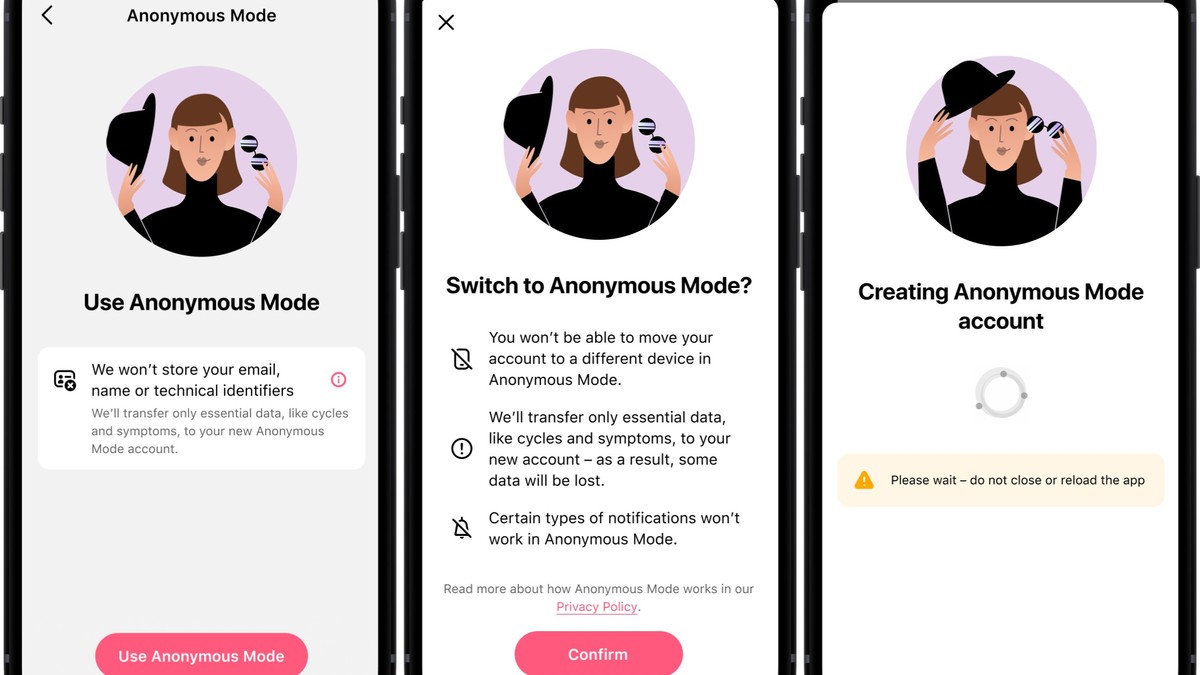
The underlying case, Frasco v. Flo Health, was filed in the U.S. District Court for the Northern District of California and is before Judge James Donato. Plaintiffs alleged Flo embedded third-party software kits that passed what users typed in — cycle dates, pregnancy entries — straight to outside companies, while the app was telling users the information stayed private.
California residents in the class are treated separately. A California subclass member who documents residency receives roughly twice the payment a nationwide class member gets.
The opt-out deadline passed in July 2025. Anyone who did not exclude themselves is bound by the deal whether or not they file.
What it actually pays
Less than most of the numbers circulating online.
In their motion for final approval, filed Aug. 20, class lawyers estimated an average recovery of $31.94 per class member if 10% of the class files a claim, and $12.69 if a quarter of the class files. California subclass members would get about double either figure.
Payment is pro rata. The fund is divided among valid claims after fees and costs come out, so the arithmetic moves with the response rate. Fewer filers, bigger checks.
An earlier estimate from a plaintiffs’ attorney put the average between $25 and $96. That figure came from a hearing well before the claims period opened and has been overtaken by the more recent filing.
Figures of $200, $400 or a flat guaranteed amount have shown up on aggregator sites and in social posts. Nothing in the court record supports them.
The deductions are sizable. Class counsel asked for $19,366,666.67 in attorneys’ fees — a blended rate of about 32.5% — plus up to $3.6 million in litigation expenses, with administration costs on top of that.
Claims that work out to under a dollar are not paid.
The judge wanted more people to file
Participation has been a sore point in this case from the start.
When the settlement came up for preliminary approval, the administrator projected that about 6% of the class would file. Donato was not satisfied. He told the parties a single-digit rate was not a success but a failure, and pressed them on how to get participation into the high double digits, according to Courthouse News, which covered the hearing.
The notice plan was reworked after that, including a push to reach users on TikTok.
Whether it worked will not be clear until the administrator counts what came in. The class is estimated at 12 million to 13 million people.
Meta is a separate fight, and a much bigger one
Meta never settled.
The case went to trial in San Francisco and in August 2025 a federal jury found the company violated the California Invasion of Privacy Act by receiving reproductive health data from Flo through its software kit. Flo settled partway through that trial. Meta asked Donato to throw out the verdict or order a new trial; he refused in September 2025.
On Sept. 14 this year, plaintiffs asked the court to enter judgment against Meta of roughly $1.1 billion covering about 222,000 California residents — essentially the statutory figure of $5,000 per person, multiplied out, as MLex reported.
Meta opposed it in late September, arguing the request would strip the company of due process by letting a ten-figure judgment land before any class member actually comes forward. In a filing reported by Law360, the company’s lawyers likened the proposed judgment to Frankenstein’s monster.
That dispute is set for the same Oct. 29 hearing as final approval of the $59.5 million settlement. Any money from the Meta side would be separate from the settlement fund, and a claims process for it has not been approved.
How to file before Thursday night
The only official place to file is PeriodTrackerDataPrivacyLitigation.com, run by administrator A.B. Data Ltd. Filing is free.
The form asks for name, mailing address, email, phone number, whether the claimant lived in California during the class period, a payment preference, and a signed attestation. It takes a few minutes.
A fund this size draws impostors. No legitimate notice asks for a Social Security number, a Flo password, gift cards or cryptocurrency. Anyone who gets a text or email about the settlement is better off typing the official address directly than tapping a shortened link.
Money will not move quickly. Donato has to grant final approval at the Oct. 29 hearing, and payments go out only after that and after any appeals are resolved — the official notice warns that can take a year or more. Payouts are realistically a 2027 event.
The hearing is not a second chance to file. By the time the judge rules, the claim window will have been closed for two weeks.

Lou Montagna
Lou Montagna brings the heat as Chiefs Blitz's opinion columnist. Never afraid to stir the pot, his editorials on the Chiefs spark debate across Chiefs Kingdom every week.