“Operating From a Position of Delusion”: Virginia Gov. Abigail Spanberger Faces Backlash Over New AI Cybersecurity Directive
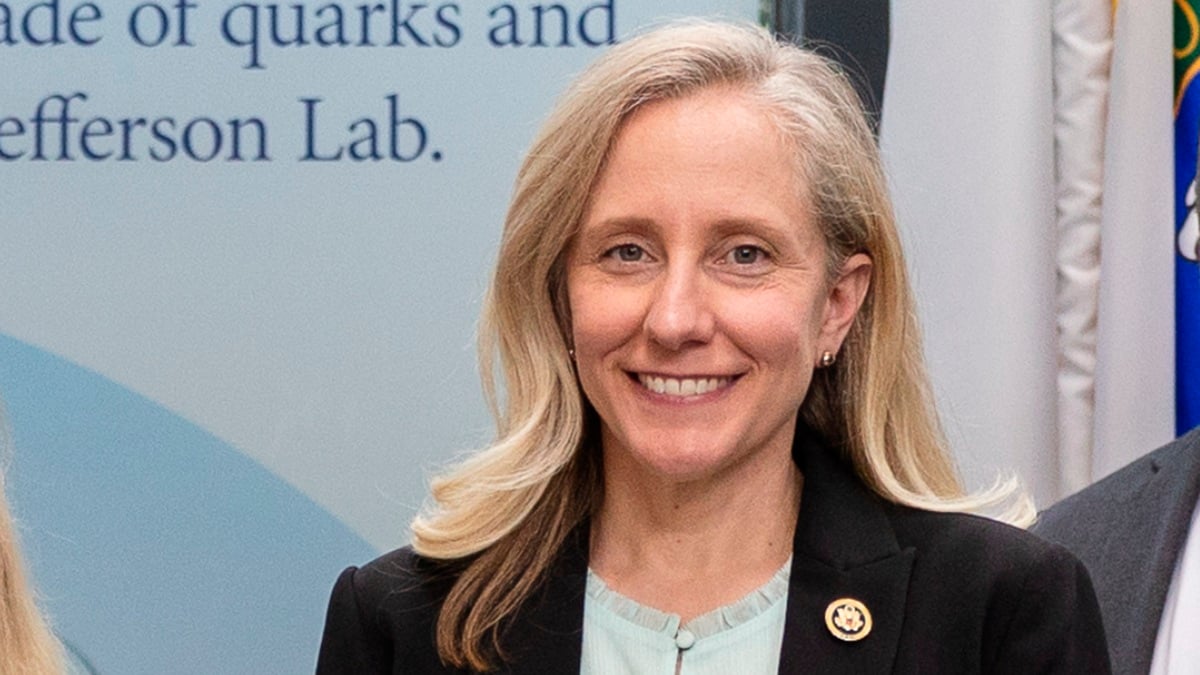
Virginia Governor Abigail Spanberger went online with a plan to make the state harder to hack, and the internet answered with a shrug and a scolding. On October 23, 2026, she announced an executive directive meant to strengthen the Commonwealth’s cybersecurity as artificial intelligence makes cyberattacks cheaper and easier to run. A large share of the replies, though, treated the announcement less like action and more like paperwork.
Spanberger said the rapid growth of AI was the reason for the move. In her post, she argued that the moment demanded “leadership, coordination, and a thoughtful path forward” against serious threats. She also faulted the federal government and Congress for not doing enough, and described the directive as only the start of a broader push to protect Virginia.
Executive Directive 6 hands the work to the state’s Secretary of Public Safety and Homeland Security and Virginia’s AI Task Force. They are to hold regular briefings with AI companies, researchers, and regulators, size up the risks, and come up with ways to reduce them. On paper, it is a coordination plan: get the people who build the technology and the people who regulate it in the same room, again and again, before a crisis forces the meeting.
Today, I’m issuing an executive directive to strengthen the Commonwealth’s cybersecurity and address the threats posed by the rapid development of artificial intelligence.
— Governor Abigail Spanberger (@GovernorVA) October 23, 2026
x.com/GovernorVA/status/2113680666525139450
Why the Announcement Fell Flat Online
The criticism came in a few distinct flavors. Some replies went straight for the wallet, with one user asking, “Are you raising our taxes for that as you did on everything else?” Others spotted what they saw as a contradiction, writing, “And yet you continue your rapid expansion of data centers. The mixed messaging continues. Do you even know what you stand for?”
A third group objected to the shape of the announcement itself, with one commenter writing, “Once again you announce the forming of a committee to develop a plan as if it’s actual action.” The sharpest skepticism came from a user who called the whole premise into question, writing that the governor was “operating from a position of delusion if she really believes that Congressional action could prevent cyberattacks” and arguing that open-source models cannot be stopped any more than peer-to-peer file sharing can be, so defense is all there is.
Not everyone piled on. One supporter pushed back against the tide, writing, “Good to see at least one Governor saying this!” That split is the real story: one side hears a governor finally treating AI-driven hacking as a genuine emergency, while the other hears another committee, another plan, and another bill. Whether the briefings turn into anything sturdier than a press release is still an open question, and Virginia’s cybersecurity will be judged on what happens next, not on what was announced.

Shawn Sorter
Shawn Sorter hosts Chiefs Blitz podcasts and contributes multimedia coverage. His interviews and audio breakdowns bring fans closer to the team than ever before.