$500 Checks for 1 Million Americans: Who Qualifies, Which 30 States, and When They Arrive
A million Americans are about to get $500 checks in the mail, and the rest of the country is asking the same question: why not me? The Trump administration announced on September 10 that the payments — refunds tied to the Affordable Care Act’s federal marketplace — would start going out in October 2026. But the fine print is doing a lot of heavy lifting.
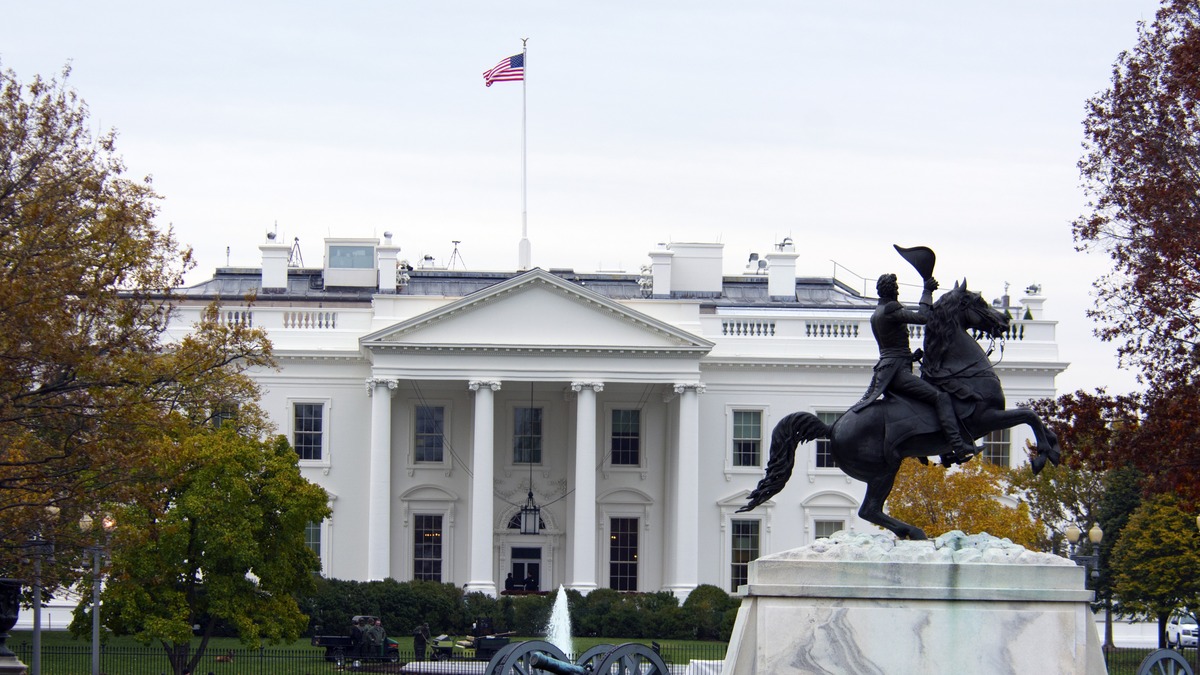
Here is what the White House actually said, as reported by MoneyDigest: the checks are refunds for people who paid higher costs through the ACA federal marketplace. The primary recipients are enrollees who bought coverage through the federal exchange without receiving premium assistance — in other words, people who paid full price. There is no application and no form to fill out. If you qualify, the check comes to you.
An administration official told ABC News on October 1 that the main group is people earning above 400% of the federal poverty level — the income line where ACA subsidies phase out. That detail matters, because it means these checks are going to middle- and higher-income marketplace shoppers, not the lowest-income enrollees who already get subsidized premiums.
Then there is the geography problem. Only residents of 30 states qualify: Alabama, Alaska, Arizona, Arkansas, Delaware, Florida, Hawaii, Indiana, Iowa, Kansas, Louisiana, Michigan, Mississippi, Missouri, Montana, Nebraska, New Hampshire, North Carolina, North Dakota, Ohio, Oklahoma, Oregon, South Carolina, South Dakota, Tennessee, Texas, Utah, West Virginia, Wisconsin, and Wyoming. The reason is structural — these are the states that use the federal exchange for their ACA marketplaces, while the rest run their own state-based marketplaces.
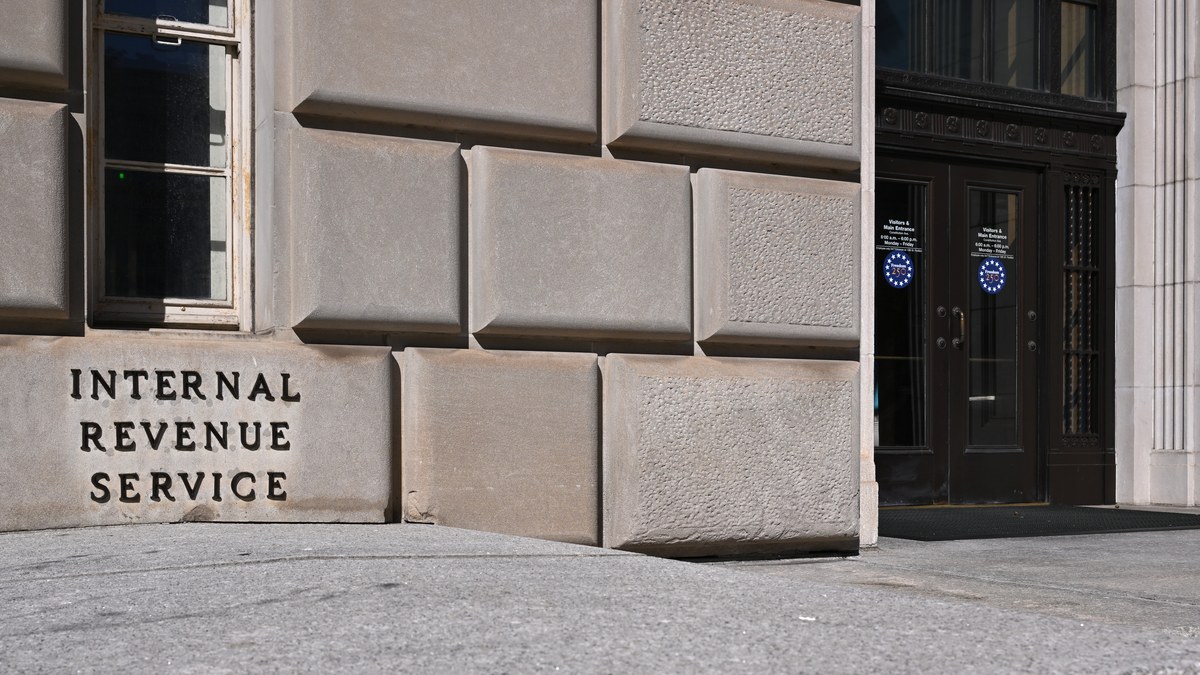
And before anyone asks: this is not a stimulus check. No new federal stimulus has been authorized for 2026, and the IRS has been warning taxpayers about stimulus scams all year. These are refunds, not relief payments.
“Finally, relief for the people who actually paid”
Supporters of the move say it is one of the fairest things the administration has done on healthcare costs. Their argument is simple: people who bought coverage at full price through the federal marketplace — many of them self-employed, freelancers, or small business owners earning just over the subsidy line — have been squeezed for years. They paid the highest premiums, got no assistance, and watched costs climb. A $500 refund, in this view, is overdue recognition.
There is also the timing argument. With open enrollment conversations starting and healthcare costs still rising, a check arriving in October lands exactly when people are thinking about next year’s coverage. For a family paying $1,500 a month in premiums with no subsidy, $500 is not life-changing — but it is not nothing either.
“Why do 20 states get nothing?”
The critics start with the map. Twenty states — including California, New York, and Pennsylvania — are excluded entirely, not because their residents paid less, but because their states run their own marketplaces. A self-employed contractor in Texas gets $500; the same contractor in Colorado gets nothing. To critics, that is an arbitrary cutoff dressed up as policy.
Then there is the income question. The checks are aimed at people above 400% of the poverty level — households that, by definition, earn too much for subsidies. Critics ask why relief is flowing to higher earners while the lowest-income enrollees, who still struggle with deductibles and copays even with subsidies, see nothing. The administration’s answer is that this is a refund, not a benefit — money back to people who overpaid. But the optics of sending checks to six-figure households while others scrape by is exactly the kind of thing that fuels the other side of the argument.
Complicating the picture further: a June 2026 HHS report said administration efforts had stopped about 1.5 million enrollees from receiving subsidies they allegedly did not qualify for, and ended or blocked coverage for another 1.4 million. In September, the Wall Street Journal reported a task force led by Vice President JD Vance would remove another 750,000 enrollees over alleged fraud. So while one hand sends out $500 checks, the other has been tightening the rolls — a contrast critics are not letting go unnoticed.
So is this targeted fairness or a lottery by ZIP code? The checks are real, the October timeline is real, and for nearly a million people the money will help. But for everyone watching from the other 20 states — or from below the subsidy line — the question of who counts as deserving is still wide open.

Hense Todd
Hense Todd covers the NFL Draft and college scouting for Chiefs Blitz. From Senior Bowl standouts to late-round sleepers, he tracks the prospects who could become the next Chiefs stars.