‘Executed Where He Killed’: Nidal Hasan’s Firing Squad Date Set for December 3 at Fort Hood
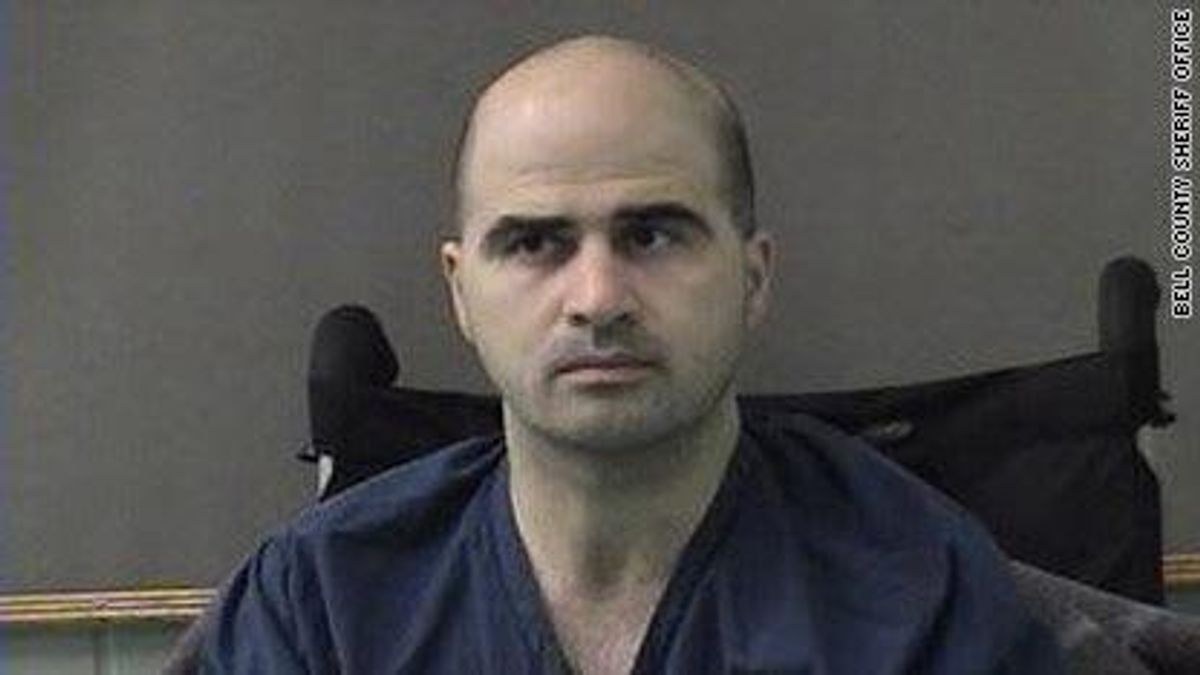
The United States Army has set a date for its first military execution in more than six decades — and the location carries a weight no press release could soften. Nidal Hasan, the former Army major who murdered 13 people and wounded 32 others in the 2009 Fort Hood massacre, will face a firing squad on December 3 at 1 p.m. CT (2 p.m. ET) at Fort Hood itself — the same Texas base where he carried out the deadliest mass shooting ever on an American military installation.
Army Secretary Adam Telle announced the date Tuesday night in a post on X, ending days of speculation about when and where the sentence would be carried out. Until the announcement, there was no date and no location. Now there is both — and the symbolism is impossible to miss: Hasan will be executed where he killed.
The decision caps a remarkable two-month sprint. On October 5, President Donald Trump approved the firing squad on the recommendation of Defense Secretary Pete Hegseth, who marked the moment with a single-word post on X: “Justice.” If carried out, it would be the first U.S. military execution since 1961 and the first military firing squad since 1945.
The December 3 date fits neatly inside the Army’s reported policy window: per military policy, an execution must take place within 150 days of presidential approval but no sooner than 60 days. Still, the date is not yet set in stone — appeals and last-minute litigation can intervene, and until the sentence is actually carried out, nothing about December 3 is certain.
The choice of a firing squad over lethal injection is no accident. It follows the botched lethal injection of Christa Pike in Tennessee on September 30, when Pike survived two doses of pentobarbital and was left hospitalized on life support — a failure that legal scholars say accelerated the military’s shift away from the needle. The Trump administration has also expanded authorized federal execution methods to include electrocution and nitrogen gas, citing persistent shortages of lethal-injection drugs.
For the families of the victims, the location matters as much as the date. Among the 13 killed on November 5, 2009, was a pregnant private who pleaded for her baby’s life before Hasan shot her — a detail that has haunted the case for seventeen years. Hasan, who was paralyzed by return fire that day, was convicted by a military jury in 2013 and sentenced to death.
Earlier this year, the Army drew up “Operation Resolute Justice,” a plan to transfer Hasan and the military’s three other death-row inmates to a federal facility in Indiana where executions would take place. The Fort Hood announcement appears to supersede that plan — at least for Hasan.
Reaction to the date has split along familiar lines: supporters of the death penalty call it long-overdue justice for one of the worst attacks on American servicemembers; opponents note that seventeen years of appeals are not over yet, and that a single court order could still stop the rifles.
What happens next is procedural but decisive. Military defense counsel are expected to file final appeals in the coming weeks, and the Army will finalize the execution protocol — including the composition of the firing squad — in November. December 3, 1 p.m. Central: Fort Hood is preparing for a day it has waited seventeen years to see, and the country will be watching.
Sources: New York Post, Reuters, USA Today, The Times.

Liz Pendergraft
Liz Pendergraft is Chiefs Blitz's news reporter, covering injuries, roster moves, and press conferences. She keeps Chiefs Kingdom updated with the latest from Arrowhead and around the league.