James L. Manley Obituary: New York, NY Columbia Biologist Who Mapped How Cells Process RNA Dies at 76
James L. Manley, Columbia's Levi Professor of Life Sciences and a leader in RNA processing research, died Nov. 25 at 76.
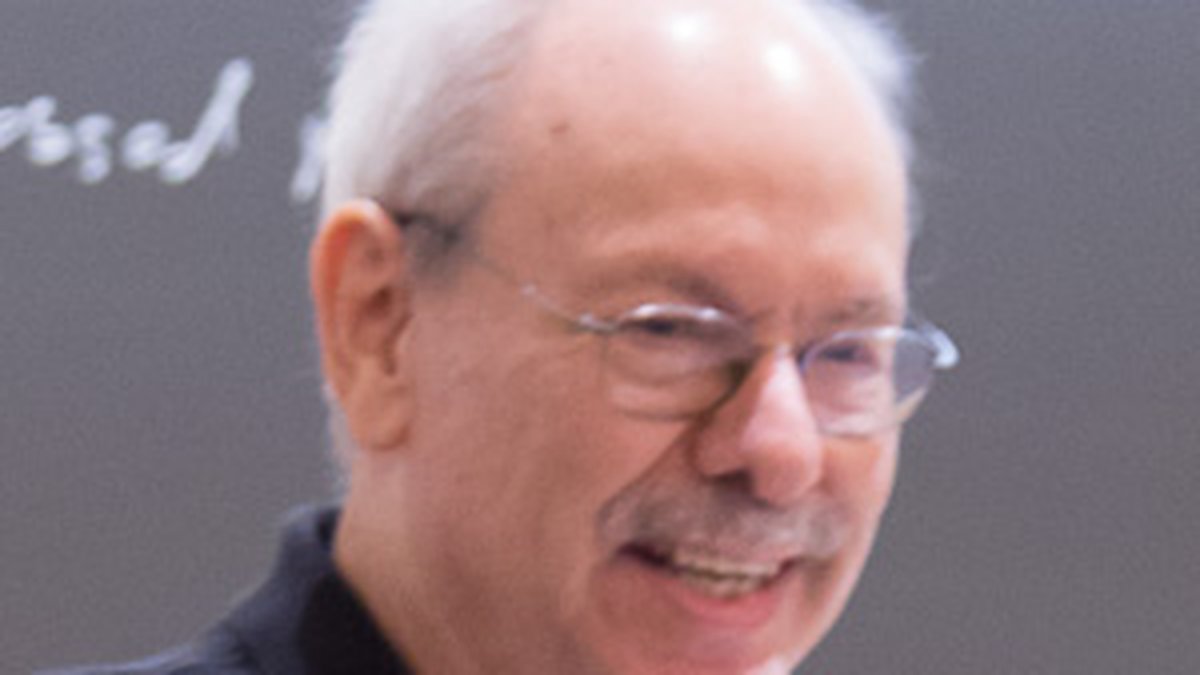
James L. Manley spent more than four decades at Columbia University asking how a cell turns a gene into a finished message. Manley, the Julian Clarence Levi Professor of Life Sciences whose work helped explain how messenger RNA is processed, died on November 25, 2026, at the age of 76, five days before his seventy-seventh birthday, according to his biographical record.
Born on November 30, 1949, in Minneapolis, Minnesota, Manley earned a bachelor’s degree in biology from Columbia University in 1971 and a doctorate through Stony Brook University and Cold Spring Harbor Laboratory in 1976, followed by postdoctoral work at the Massachusetts Institute of Technology. He joined Columbia’s Department of Biological Sciences in 1980, chaired the department from 1995 to 2001 and held the Levi Professorship from 1995 until his death.
His laboratory studied gene expression in mammalian cells, focusing on two steps that decide what a gene ultimately produces: polyadenylation, which finishes the tail of a messenger RNA, and splicing, which removes introns from the message. Manley and his colleagues identified the key protein factors responsible for polyadenylation and explained how that machinery helps regulate cell growth and differentiation. His group co-discovered the first alternative splicing factor, an SR protein, showed how splicing can go wrong in disease and demonstrated that two spliceosomal small nuclear RNAs by themselves have catalytic activity.
What Is Still Not Known
Manley authored or coauthored more than three hundred fifty research articles and reviews, was named an ISI Highly Cited Researcher and received an NIH MERIT Award. He edited three journals, served on numerous editorial boards and review panels, and was a member of the National Academy of Sciences and a fellow of the American Academy of Arts and Sciences, the American Academy of Microbiology and the American Association for the Advancement of Science. His later work also linked RNA processing to transcription, DNA damage signaling and genomic stability, with implications for cancer and neurodegenerative disease.
Public information about Manley’s death is still thin. No cause of death, place of death, funeral arrangements or family statement had been published in a major outlet or a detailed university notice at the time of writing, and the death is documented through his updated biographical record. Readers should treat any additional claims about the circumstances with caution until Columbia or his family releases a fuller notice. His scientific legacy, built over forty-six years at one university, is well documented even as the personal details remain private. The American Academy of Arts and Sciences noted that he identified key protein factors for messenger RNA polyadenylation, provided the first direct evidence for RNA catalysis of splicing and showed unexpected links between RNA processing, transcription and disease.

Liz Pendergraft
Liz Pendergraft is Chiefs Blitz's news reporter, covering injuries, roster moves, and press conferences. She keeps Chiefs Kingdom updated with the latest from Arrowhead and around the league.