Ho Baron Obituary: El Paso, TX Sculpture Garden Artist Dies at 84
El Paso sculptor Ho Baron, who turned his Central El Paso home into a free public sculpture garden, has died at 84.
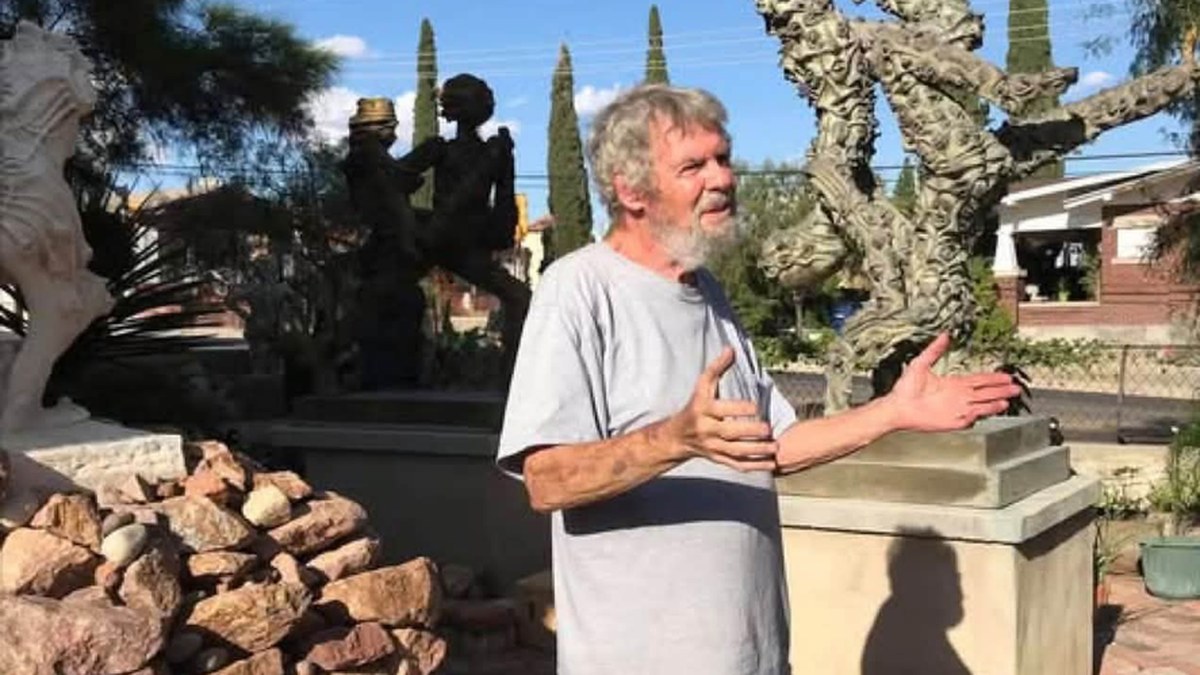
For years, drivers on Aurora Avenue in Central El Paso slowed down for the same reason: a front yard full of surreal bronze creatures, free for anyone to walk up and look at. Howard Baron, the sculptor known to the city as Ho Baron, died on Saturday, November 21, 2026, at the age of 84. His stepdaughter Ophelia Cornet said he died peacefully at Goodlife Memory Care in El Paso, where he had lived for a few weeks, surrounded by caregivers.
Baron was born on December 18, 1941, in Chicago and raised in El Paso. He studied at the University of Texas at El Paso. Before the sculpture garden, he taught English with the Peace Corps in Nigeria and Ethiopia and visited some forty countries. He also spent time at a commune in Belgium, working as a cartoonist and photographer despite not speaking the language, where he met his former wife.
He always came back to El Paso. What stands out most about my stepfather, Ho, is that he loved the city of El Paso and its people, Cornet said in a statement shared with ABC-7. He brought some of the world back with him and channeled those impressions through his art. He said El Paso was an easy town, friendly and interesting because of its proximity to Mexico.
Art Meant to Be Seen
About fifteen years ago, Baron placed larger works beside his house, including a huge cement piece named The Water God, so everyone could have easy access to viewing the work. When he felt well enough, he would chat with visitors outside, asking them as many questions as they asked him, Cornet said. His friend Candace Printz, a fellow sculptor who met him at 22 after graduating from UTEP, called him a mentor who made time for younger artists.
Printz said Baron was obsessed with creating abstract and surreal bronze artworks, and that keeping the art accessible mattered deeply to him. The last two large bronze sculptures from the garden will be donated to the Chamizal National Memorial in January and permanently installed on the UTEP campus in three years, Cornet said. Other pieces will go to the El Paso Museum of Art and collections in other states.
No cause of death was made public. Printz remembered him as candid and honest, a lunch buddy who fought for things to be right in the city. People being interconnected is how change is made, she said, recalling his belief in gathering and community. Funeral or memorial arrangements had not been announced in the reports reviewed.

Lou Montagna
Lou Montagna brings the heat as Chiefs Blitz's opinion columnist. Never afraid to stir the pot, his editorials on the Chiefs spark debate across Chiefs Kingdom every week.